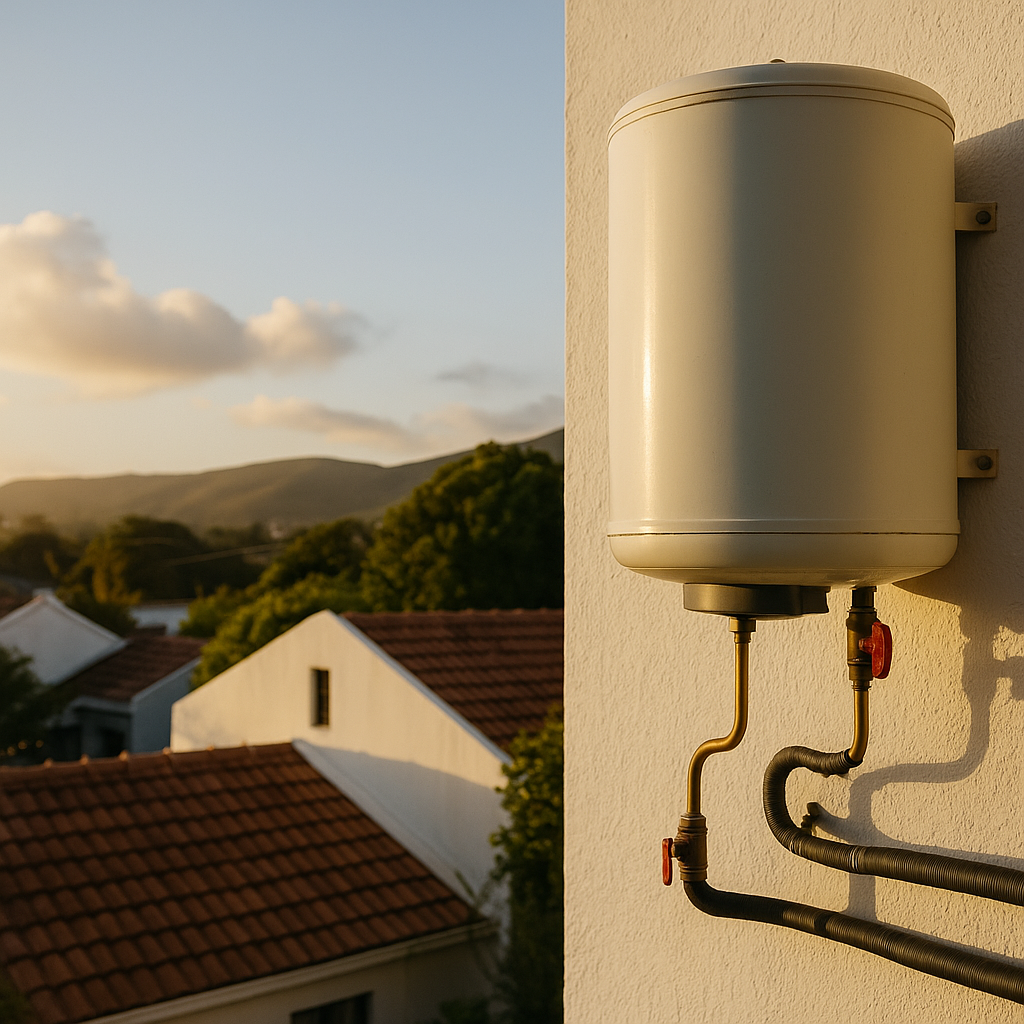
As South Africans pack up for the December holidays, there’s one appliance still working full-time. Your geyser. It heats water whether you’re home or not. It consumes more electricity than any other device. And it rarely gets the credit or attention it deserves.
So while you take a break, your geyser deserves one too. A few simple steps before you head out can save money, prevent holiday disasters and extend the life of your hot water system.
Here’s how to give your geyser the festive season it’s been hoping for.
Switch it off and prevent costly surprises
Your geyser is the biggest energy user in your home. According to Eskom, it can account for up to 60 percent of household electricity use. Leaving it running while you’re away means you’re paying for hot water no one is using.
Switching it off at the distribution board before you leave is the first step. But a holiday break is also the perfect time to do a quick safety check.
South African insurers report that geyser-related claims make up 27 percent of all household insurance claims, with a further 8 percent linked to hidden pipe damage inside walls and floors.
Before you leave:
• Switch off your geyser at the distribution board
• Switch off the main water supply to your home
• Check for visible leaks
• Make sure the overflow pipe is clear
If something goes wrong while you’re on holiday, damage can spread for days before anyone notices. Ceilings collapse. Flooring swells—electrical systems short circuit. A simple pre-holiday check prevents a costly homecoming surprise.
Book your geyser a “spa day” before you return to work
The festive season is one of the few times of the year when life slows down. Once you return to work, even if January starts calmly, the pace always picks up. It’s far easier to handle home maintenance now than when meetings, deadlines and school routines return.
A quick geyser service can spot early signs of wear, corrosion, and pressure issues before they lead to leaks or bursts. More importantly, it saves you from dealing with insurance calls, plumber appointments and admin when your workdays are full again.
Regular maintenance helps:
• Extend the lifespan of your geyser
• Prevent corrosion by replacing the sacrificial anode
• Ensure the pressure control valve is working properly
• Reduce the risk of leaks when no one is home
• Improve energy efficiency
How a proper geyser service works
A standard geyser service includes a few key steps to keep the system healthy, safe and energy-efficient.
Switch off the power
The geyser is powered down at the DB board to ensure safe inspection and testing.
Inspect internal components
The plumber checks for internal corrosion, loose connections and early signs of wear inside the tank.
Test the pressure and temperature safety valve
This valve prevents dangerous pressure build-up and must open and close correctly.
Replace the sacrificial anode if needed
The anode protects the tank from rust. If worn down, it must be replaced.
Flush out sediment
Minerals and debris settle inside the tank over time. Flushing improves heating efficiency and reduces strain on the element.
Inspect and test the thermostat and heating element
Faulty parts here are causing high electricity use, uneven heating, and system failure.
Confirm safety and compliance
The plumber checks the drip tray, overflow pipes and electrical connections to ensure insurance compliance.
Start the year with smarter, more efficient hot water habits
If saving money, cutting electricity use or living more sustainably is part of your New Year goals, your geyser is one of the best places to start. Heating water makes up more than half of a typical household’s electricity bill. Even small changes make a visible difference.
With electricity prices rising and power cuts continuing, grid-light hot water systems are no longer a nice-to-have. They offer real long-term savings and reduce dependence on an unstable power supply.
Ask yourself:
• Does my geyser still suit the size of my household?
• Do we mostly use baths or showers?
• Do we live in a warm or cold climate?
• Am I wasting electricity on a system that’s too big for us?
• Would a more energy-efficient geyser help long-term?
Solar water heaters can cut hot water costs by up to 54 percent. Heat pumps use roughly one-third of the electricity of a traditional geyser and can deliver savings of up to 70 percent over time.
Your geyser works harder than almost any appliance in your home. Giving it a “holiday” when you take yours is more than playful advice. It’s smart home care. Switching it off, performing a safety check, and scheduling maintenance before life gets busy again saves money, reduces stress, and extends your system’s lifespan.
Start the year with smarter hot water habits and your geyser will repay you with fewer surprises and lower bills in 2026.