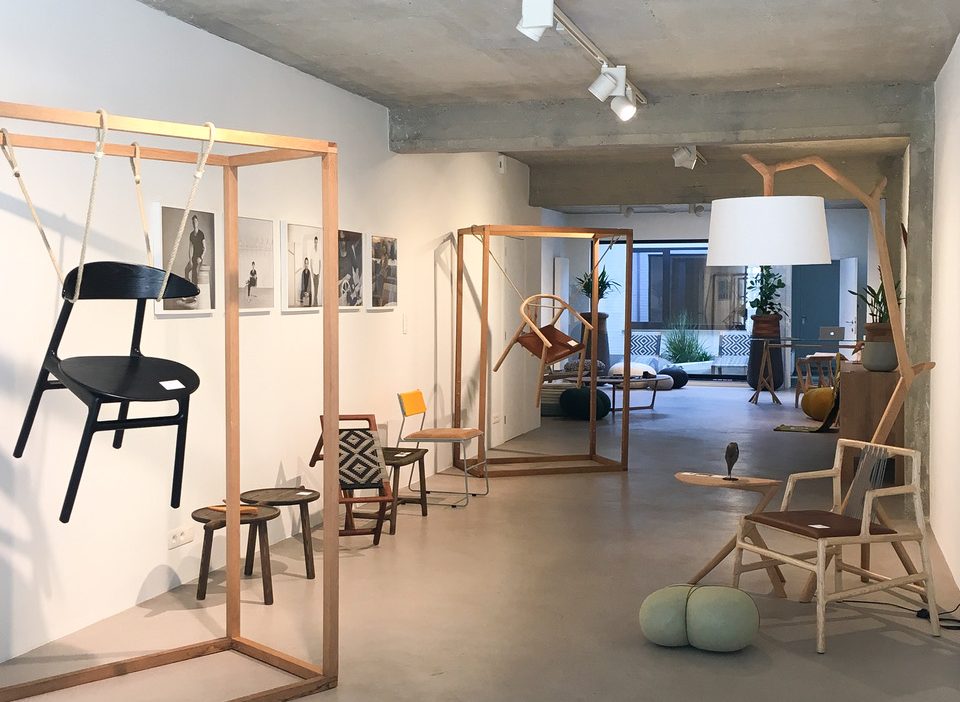
As 2026 approaches, South Africa’s furniture industry is entering a period of renewal defined by confidence, capability and creative independence. Local manufacturers are no longer positioning themselves as alternative players in a global market.
They are becoming leaders in their own right through craftsmanship, technology and an unmistakably local design language.
According to Tracy Symons, Marketing Manager for the South African Furniture Initiative (SAFI), the coming year marks a significant shift in how South African furniture is being produced, presented and perceived: “South African manufacturers are no longer watching trends unfold elsewhere. They are defining what modern African design looks like. The market is now mature, unlike 10 years ago. We are seeing manufacturers investing in better processes, more considered materials and a long-view approach to design.”
Technology: enhancing craft, rather than replacing it
One of the defining features of South African furniture in 2026 is the seamless integration of technology into production, without eroding the hands-on approach that defines the sector.
Tamsin Stedall is the Founder and Managing Director of MiMiC. – a Spanish-based agency, founded in 2016, dedicated to representing the best of South African design, showcasing the work of world-renowned and internationally acclaimed designers and artisans.
She says that digital tools are no longer confined to engineering departments: “Digital prototyping, CNC precision and small-batch automation now sit comfortably alongside traditional techniques. Manufacturers are now able to work faster, test forms earlier and design with greater accuracy, while still delivering a hand-finished product.”

Symons believes this evolution has expanded creative boundaries: “Designers now have the freedom to explore form, proportion and construction in ways that were not possible before. We are seeing bolder silhouettes and more technically refined outcomes.”
Craftsmanship as a commercial advantage
As production methods modernise, craftsmanship has become even more valuable. Stedall is clear on its role: “Craft is not a decorative feature or a nostalgic reference point. It is a commercial asset. It is what ensures durability, finish and emotional connection.”
This is echoed by Gareth Pearson, Director of Cape Town Furniture Week, South Africa’s leading platform for contemporary furniture design and manufacturing, who believes craftsmanship is what distinguishes South African furniture internationally: “What makes South African design stand out is the visible presence of human skill and intention. The relationship between the maker and the object is still evident, and that is something buyers care deeply about,” he says.

Symons agrees. “Craftsmanship is a strategic advantage. It is also a competitive buffer in a mass-produced world where originality is becoming increasingly rare.”
Sustainability moves from principle to practice
Environmental accountability has shifted from conversation to implementation. Traceable sourcing, regenerative materials and circular design models are now shaping real production decisions.
“The industry is moving toward greater transparency,” says Stedall. “Manufacturers are thinking carefully about where materials come from, how they are processed and what happens to furniture at the end of its life cycle.”
She notes that international markets increasingly expect proof, not promises. “Sustainability is now measured, audited and enforced at the specification level. South African manufacturers who take this seriously are gaining credibility abroad.”
For Symons, this transition signifies something more profound than compliance: “Sustainability is now part of how businesses are structuring themselves. It impacts procurement decisions, design assumptions and pricing strategies. Manufacturers who adapt early are positioning themselves for stability, not just relevance.”
Competing through identity, not imitation
Rather than reproducing international aesthetics, South African brands are leaning into a design language shaped by culture, texture and material honesty.
“Our designers are not chasing European trends,” says Stedall. “They are creating work influenced by climate, geography and cultural narrative. That originality is what export buyers respond to.”
Pearson believes this sense of identity has strengthened international appeal: “When buyers understand where a product comes from and who made it, it deepens trust in the brand and value in the piece,” he says.
Symons adds, “Design that carries its own accent always travels further.”
Growing the local market with confidence
While export growth remains important, a strong domestic market is essential for long-term stability. Local demand provides manufacturers with a reliable revenue base, reduces exposure to global market volatility and supports sustainable business growth.
“We need to encourage South Africans to invest in locally made furniture,” says Pearson. “Confidence in local design does not happen overnight, but it is growing. People are beginning to seek out quality and character rather than quick solutions,” he notes.
Symons believes a strong local market is essential for resilience: “When manufacturers are supported at home, they can compete abroad with greater stability.”
A future worth building
What ultimately fuels optimism is the calibre of work emerging across the sector.
“Every year, Cape Town Furniture Week showcases the depth and maturity of South African design,” says Pearson. “The work being produced is world-class, and global buyers are beginning to recognise that.”
Stedall shares this optimism. “South African brands are not trying to look international. They are being themselves and that authenticity, paired with sound business practices and responsible manufacturing, makes this market one of the most exciting to watch,” she says.
Symons concludes, “The furniture industry is stepping into a new chapter. One defined by identity, skill and ambition. 2026 will not be about fitting in. It will be about standing out.”
To learn more about the initiatives shaping the future of South African furniture manufacturing, visit https://southafricanfurnitureinitiative.co.za