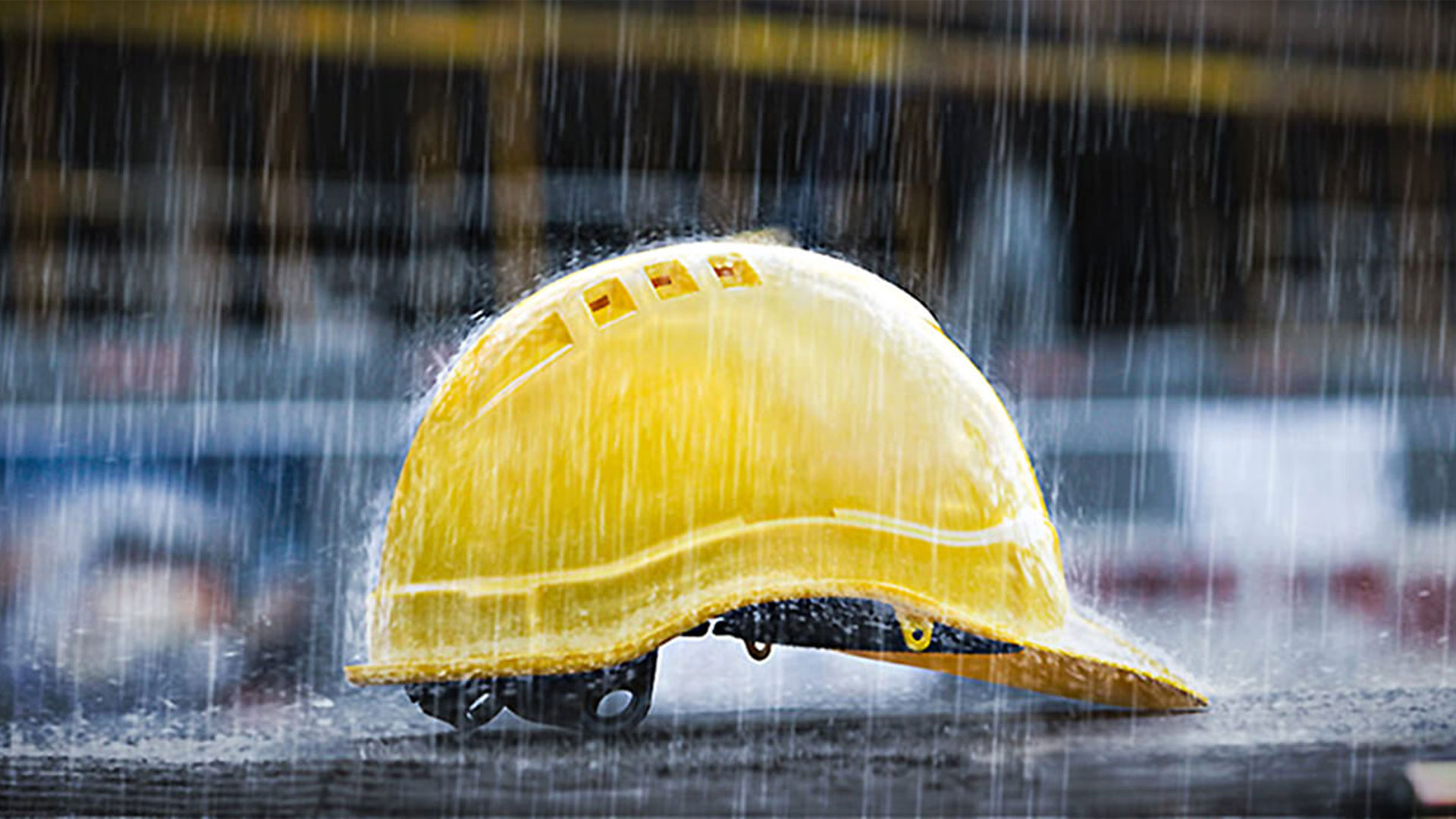
For the South African building and construction market, the transition to summer is not a holiday, It brings operational challenges. While the Western Cape is facing a dry summer, the majority of the country, including the industrial heartlands of Gauteng and the coastal regions of Kwazulu Natal, faces a mix of intense heat, unpredictable storms and persistent infrastructure demands.
Here is an outline of the major impacts of summer on the construction industry in South Africa and how industry players are adapting to the change.
Weather Extremes: High Winds, Rain, and Delays
The summer months bring a specific set of meteorological risks that necessitate advanced planning and robust site management:
- Thunderstorms and Flash Floods (Summer Rainfall Areas): Gauteng and KwaZulu-Natal experience high-intensity, short-duration thunderstorms. These can lead to instant site shutdowns, flooding in excavations, and delays in material delivery. Wet weather concrete curing requires special attention and covers to maintain quality and prevent washouts.
- High Winds: Coastal and high-rise projects are especially vulnerable to strong winds, which can pose a significant safety risk to workers and equipment, potentially halting crane operations and the erection of large prefabricated panels.
- Safety and Productivity: High heat and humidity reduce labour productivity and increase the risk of heat stress, exhaustion, and dehydration among site personnel. Companies must implement strict safety protocols, including mandatory rest breaks, provision of shaded areas, and continuous hydration stations.
Material and Structural Integrity
Extreme summer temperatures directly affect common building materials, complicating key construction processes:
- Concrete Curing: High ambient temperatures accelerate the hydration of cement, leading to rapid setting and potentially reducing the final strength and durability of the concrete. Solutions involve:
- Cooling Aggregates and Water: Using chilled mixing water or ice to lower the initial temperature of the mix.
- Strategic Pouring Times: Scheduling pours for cooler periods, such as early morning or late evening.
- Protective Curing: Applying curing compounds or keeping surfaces wet and covered to slow moisture loss .
- Adhesives and Sealants: Many chemical products, including paints, adhesives, and waterproofing membranes, have strict temperature windows for application. Overheating can lead to improper bonding, cracking, or reduced lifespan.
The Electricity Burden: Peak Demand and Disruption
The summer season, particularly over the festive period, often coincides with high electricity demand and continued pressure on the national grid, compounding the challenges facing construction sites:
- Operational Stoppages: Scheduled power cuts force the shutdown of electric machinery, including tower cranes, mixers, pumps, and fabrication equipment, causing unpredictable project delays and cost overruns.
- Supply Chain Disruptions: The ripple effect extends to the manufacturing sector, where power cuts impact the production of essential construction materials like cement, steel, and electrical components, leading to material shortages and increased procurement costs.
- The Contingency Cost: Many construction firms are forced to invest heavily in large, expensive diesel generators to maintain critical site functions, adding significant unplanned cost and increasing the project’s carbon footprint.
Building Resilience: Solutions and Forward Planning
Forward-thinking firms are mitigating summer risks through advanced planning:
- Climate-Resilient Design: Increasingly, projects are incorporating passive design strategies to manage heat, such as optimal building orientation, improved natural ventilation, and the use of thermal mass and high-performance glass to reduce the need for energy-intensive cooling systems in the final structure.
- Digital Project Management: Utilising digital tools and real-time weather tracking allows project managers to implement dynamic scheduling, rescheduling weather-sensitive tasks, and improving resource allocation to maintain productivity.
- Green Building & ESG: The drive toward Green Building Council of South Africa (GBCSA) certification and ESG (Environmental, Social, and Governance) compliance encourages the use of materials with lower environmental impacts and better on-site resource management, including water harvesting to combat summer scarcity.
South African construction stands on a foundation of resilience. By strategically planning for both meteorological extremes and infrastructure volatility, the industry can continue to build the nation’s future, one well-managed project at a time.